
Fiber Optic Connectors & Assemblies
Fiber Array Unit (FAU) Testing Solutions (New)(New)
Polarization-Maintaining Fiber Connectivity Components (New)(New)
Fiber Array (FA) Spot Alignment and Coupling Inspection System
SN-MT Connector Inspection Solutions for Manufacturing
MMC Connector Cleaning and Inspection Solutions for Manufacturing
MPO Connector Inspection Solutions
Automated Cleaning and Inspection for High-Speed Optical Transceivers
1.6T/800G Single-core Optical Module Intelligent Cleaning and Inspection Solution
1.6T/800G LC Optical Module Testing Scheme
Optical Port Cleaning and Inspection for Active Optical Devices
High-Speed Coherent Optical Transceiver Testing
Active Optical Cable (AOC) Testing Solutions
Linear Pluggable Optics (LPO) Testing
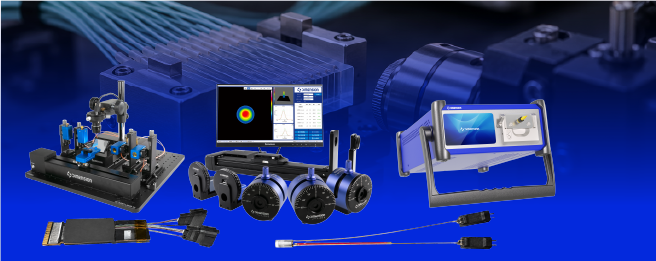
Active Optical Cable (AOC) Testing Solutions
Dimension Technology offers a dual-end collaborative testing solution for AOC production and shipment inspection, helping to identify connection abnormalities, channel mapping errors issues.
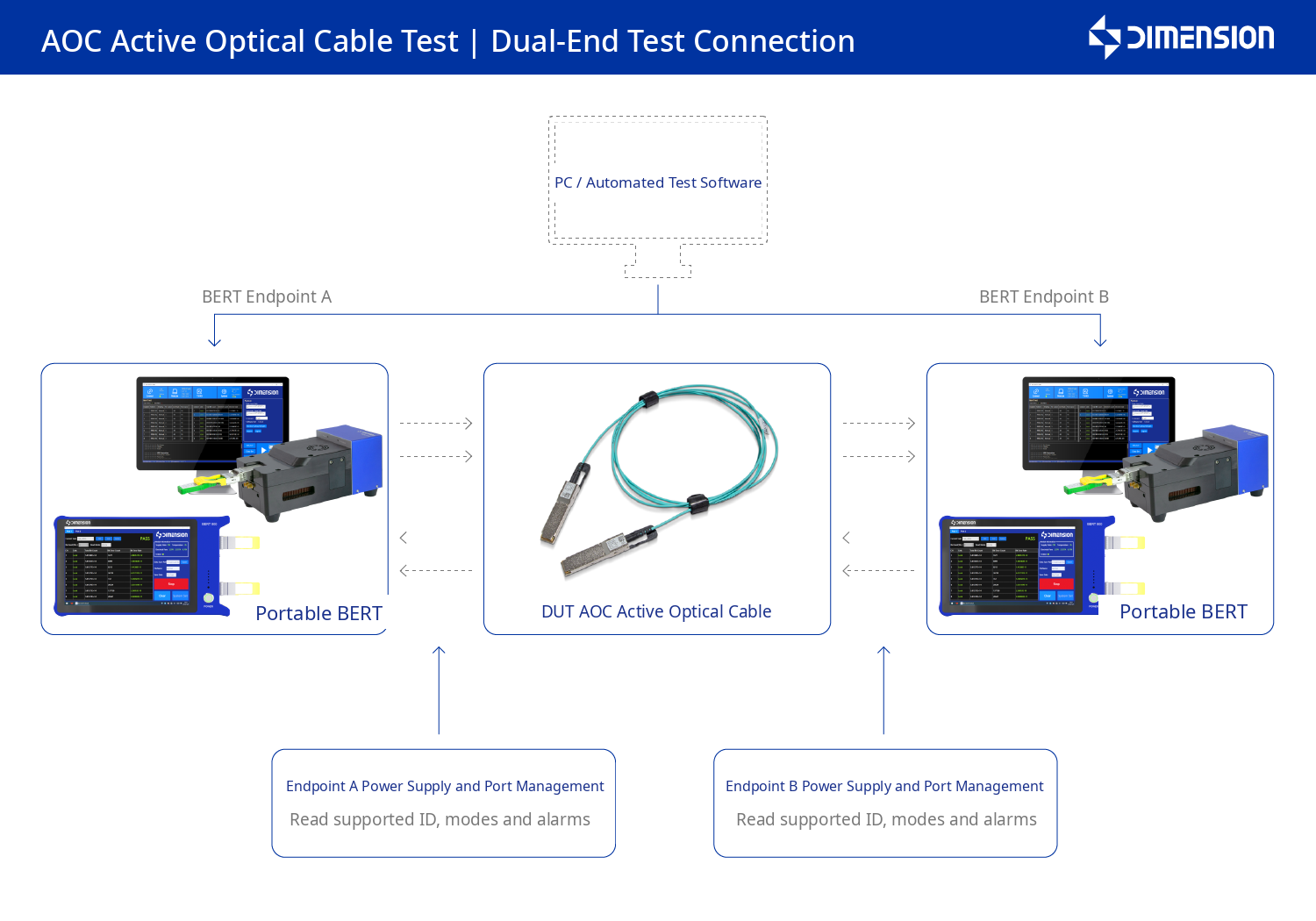
AOC Active Optical Cable Measured Device Diagram
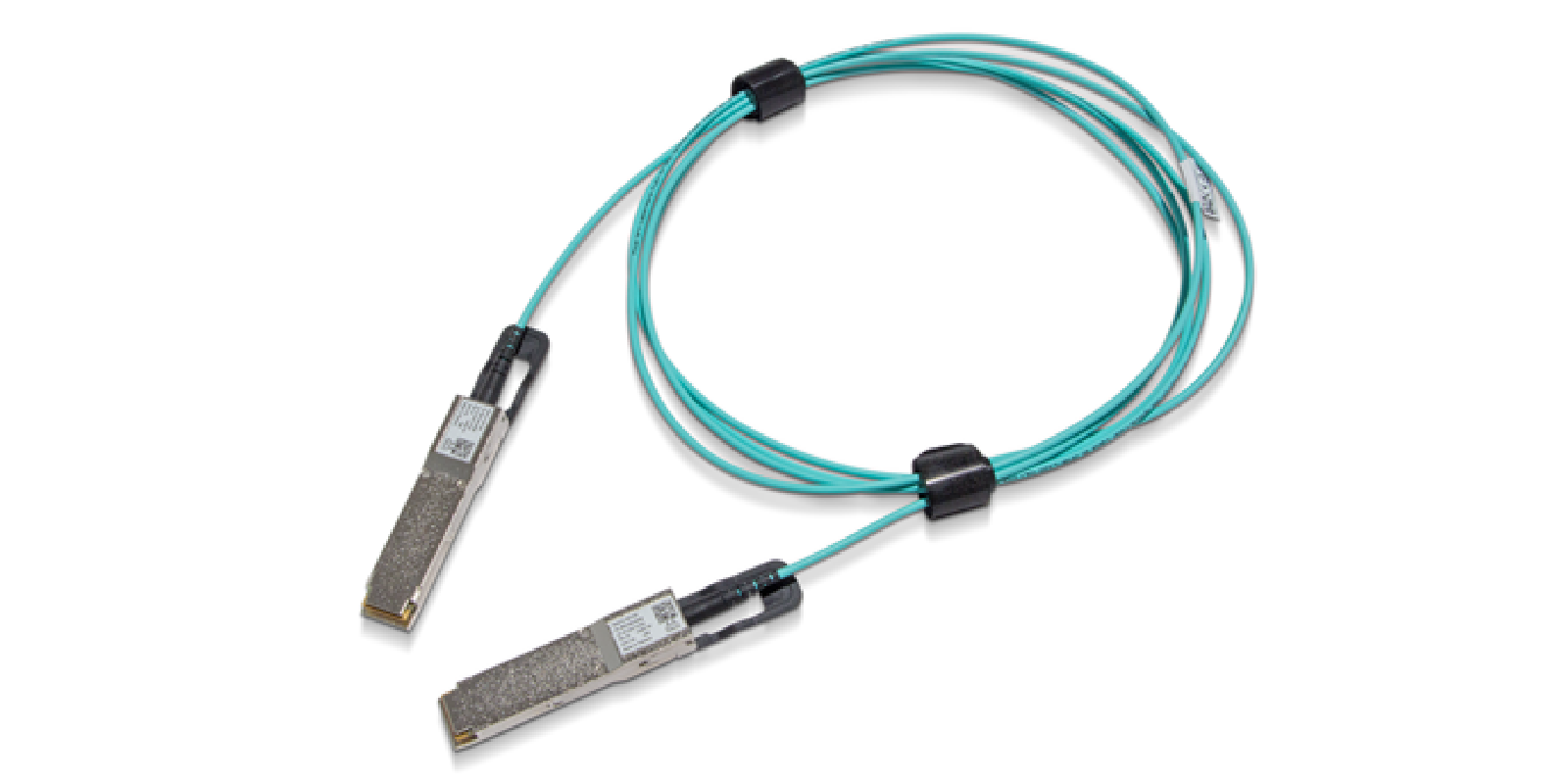
Bit Error Testing
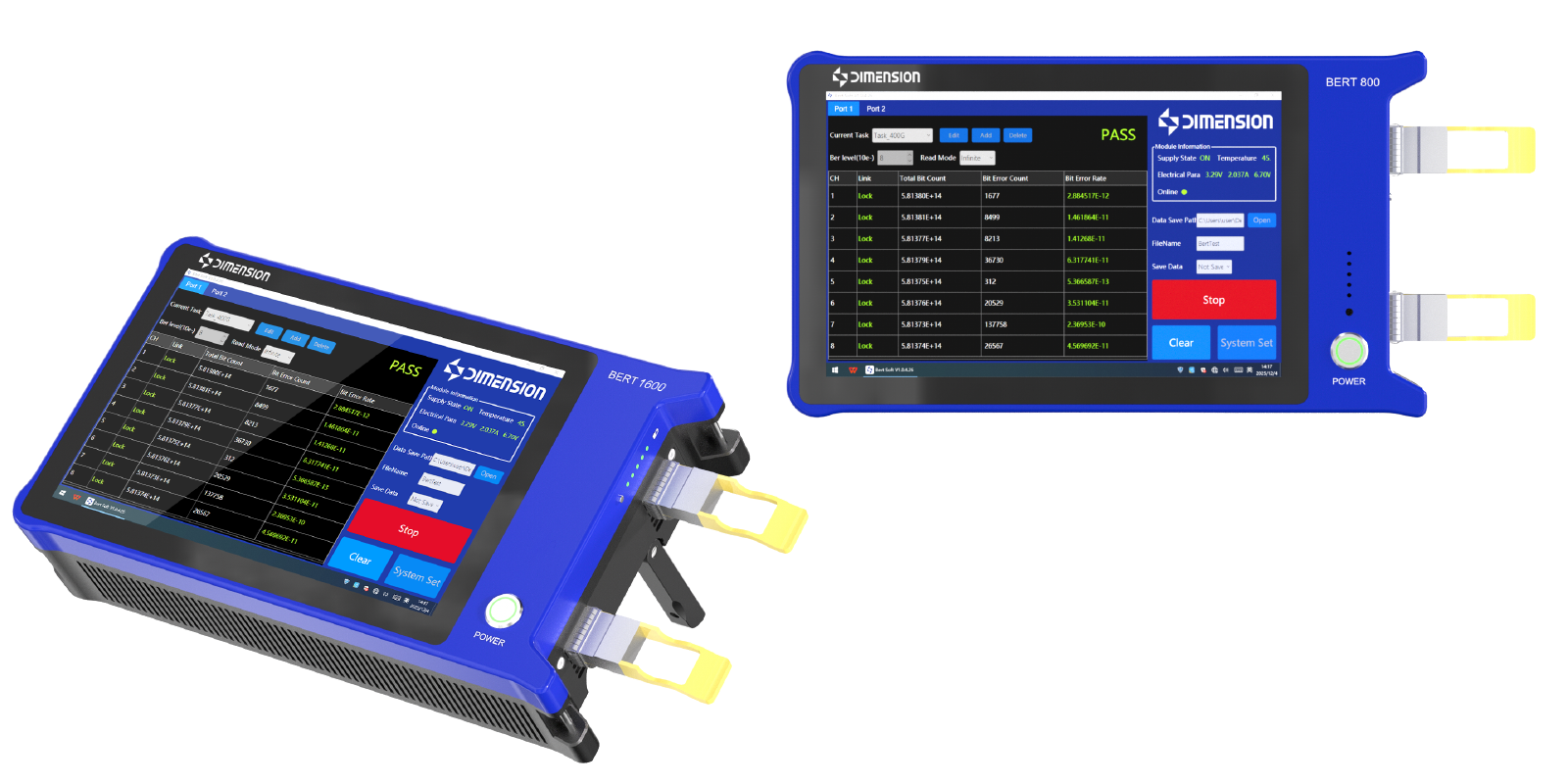
Dual-port BERT and AOC interface board
At both ends of the AOC, separate BERT test endpoints are connected: the code type output at the A end is transmitted through the entire cable and received and analyzed at the B end, and vice versa. The two directions separately record the bit errors, lock loss and link break events of each channel, forming the entire cable result. Two instruments or a platform with independent endpoints can be used; specific interfaces, rates, working modes and software capabilities need to be selected and verified. Connect both ends of the AOC to the corresponding interface board, check the connection and power supply status, and read the identification, application mode and alarm information according to the product support conditions. After the test software checks the configuration of both ends, it enters the transmission test to help detect interface connection, product identification or abnormal working status in advance.
Optical Sampling Oscilloscope
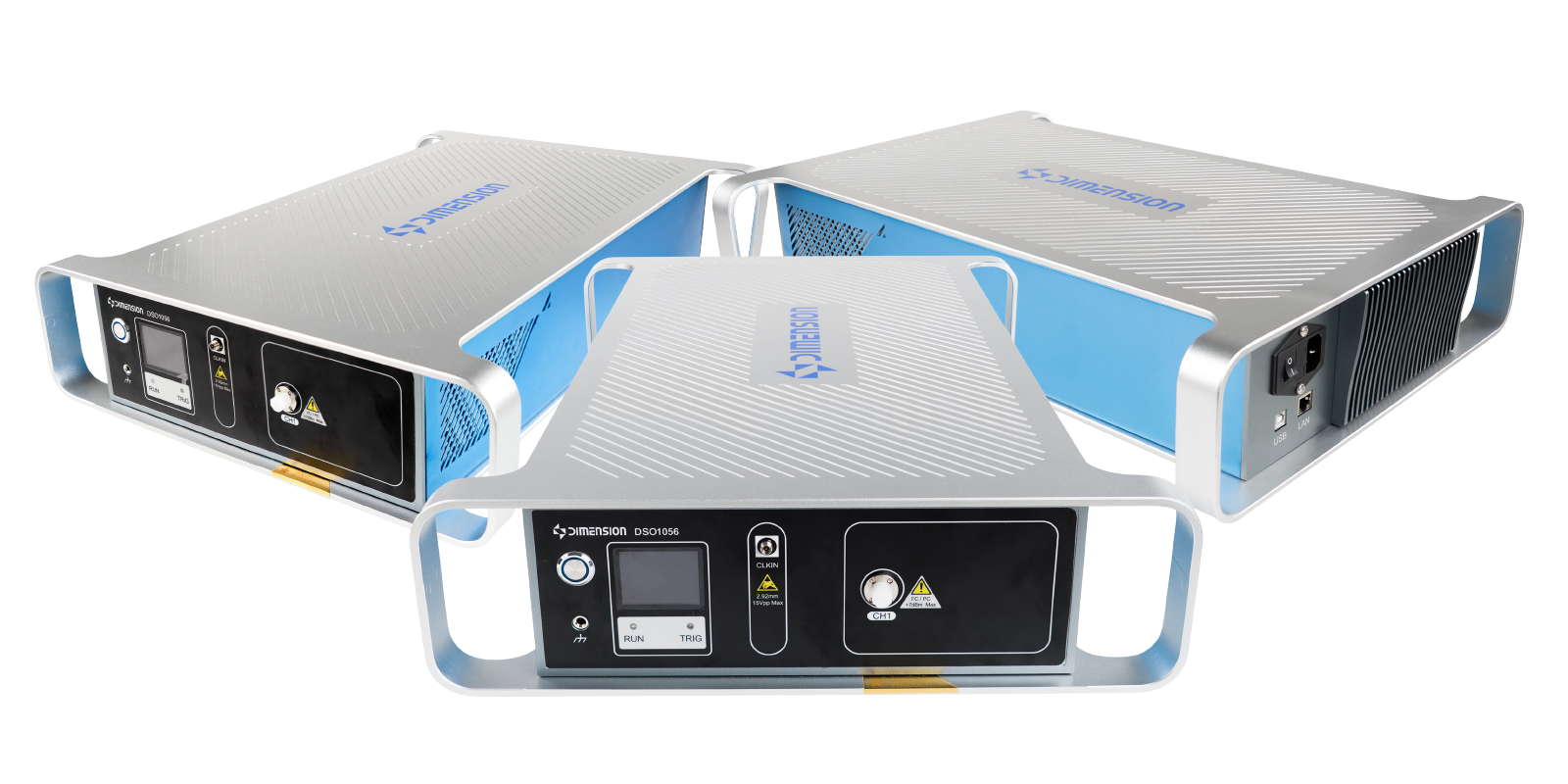
The BERT code type output is driven by the transmitting end of the LPO interface board and is emitted through an optional optical switch, which is then connected to either an optical power meter or an optical sampling oscilloscope. The OPM performs optical power measurement, while the optical sampling oscilloscope conducts analysis of the applicable optical waveforms and modulation indicators. The trigger or reference clock is provided according to the oscilloscope scheme, and when necessary, matching clock recovery resources are configured. Each measurement path is selected separately at different times.
Receiving test
Reference modulation light source, POA attenuator and electrical receiving analysis
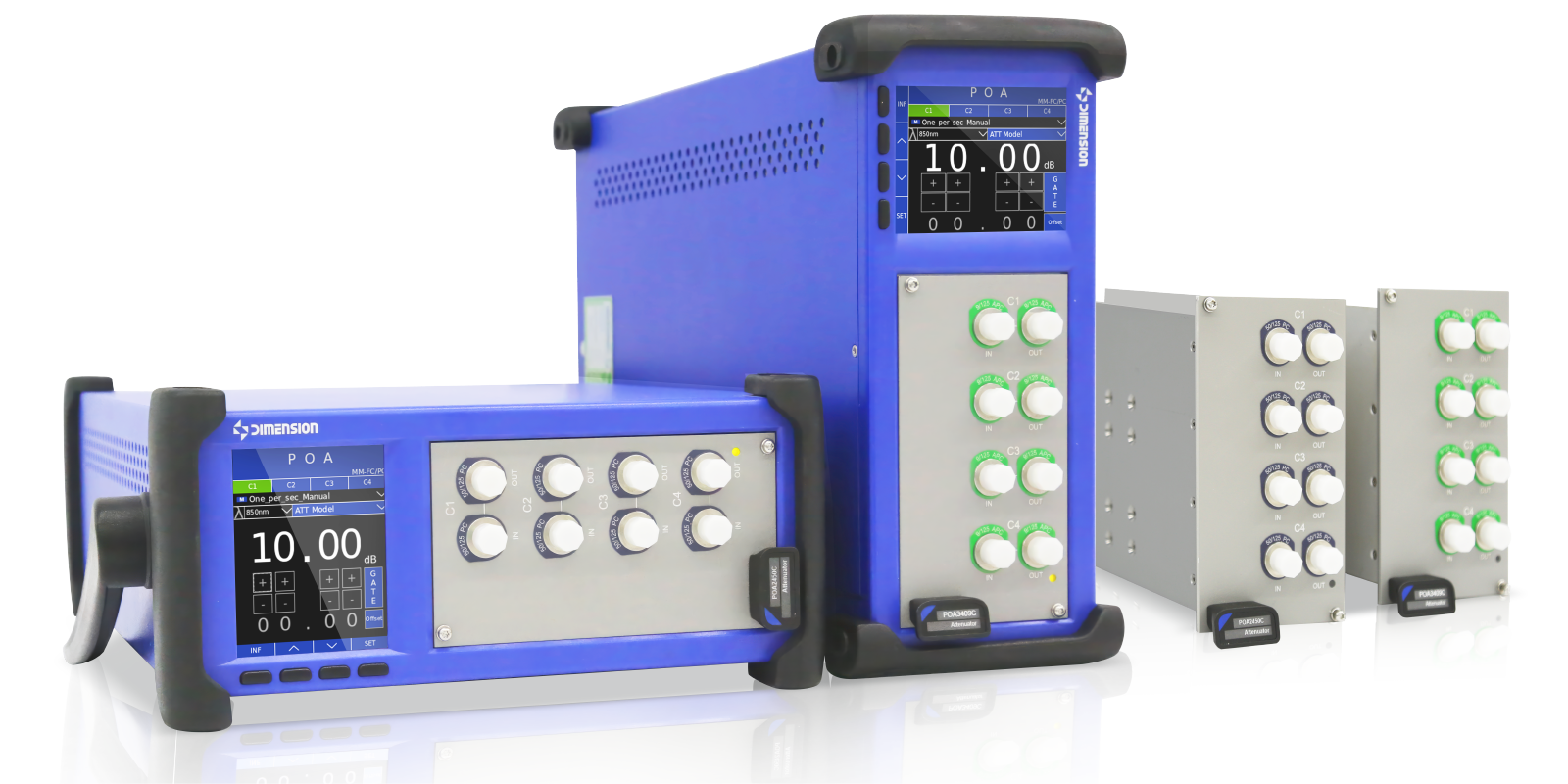
The independent receiving test is generated by the code pattern source and the reference light emitter, which produces modulated light signals. After attenuation by POA, it is connected to the LPO receiving end; the module's electrical output is sent through the interface board to the matching reference electrical receiving and error code analysis resources. First, the optical power at the reference surface of the DUT's input is calibrated, and then the results under different input conditions are evaluated. If the DUT's own emitted light is used for the feedback loop, the results are used for the corresponding link screening and do not directly replace the independent receiving evaluation.
CR600 60Gbaud Optical Clock Recovery Unit
The CR600 optical clock recovery unit supports NRZ and PAM4. It can provide optical clock signals recovery within the 60Gbd range. The system integrates a single multimode optical conversion and clock recovery circuit, which can be applied simultaneously in electrical and optical applications. It meets the requirements of high sensitivity and low inherent jitter, and has excellent measurement accuracy.

Advantages of the plan
Increase production capacity
Conduct item-by-item checks from the port to the entire cable
First, confirm the interface and working status at both ends, then perform connection and error code tests. Record connection issues and transmission problems separately for easier review.
Take into account both direct connection and branch products
Configure the number of ports, direction, and channel correspondence according to the product model, reducing repetitive settings and channel omissions during model changes.
Store test data with the products
Link cable identifiers, information at both ends, test conditions, and initial and retest results. Support batch summarization, shipment records, and after-sales traceability.
Easily access services and support from Dimension
Want help or have questions?