Electrical Signal Testing
Optical Transmission Performance Testing
Automated Optical Communication Test Equipment
Fiber End-Face Physical Characteristics Testing
Fiber End-Face Cleaning
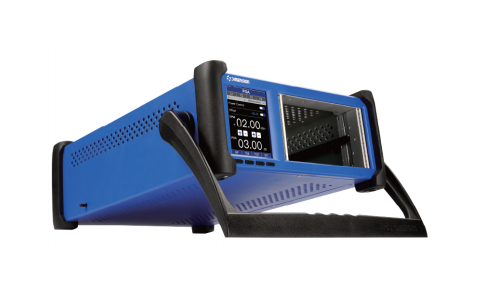
 Trace signals to their source and precisely analyze electrical signal transmission characteristics. SignalLab, a sub-brand of Dimension Technology, specializes in electrical signal quality and transmission performance testing and analysis. Its product portfolio includes bit error rate testers (BERTs), clock recovery instruments, and other test equipment.
Recommended
65 GHz Optical Sampling Oscilloscope
NEW2026.11
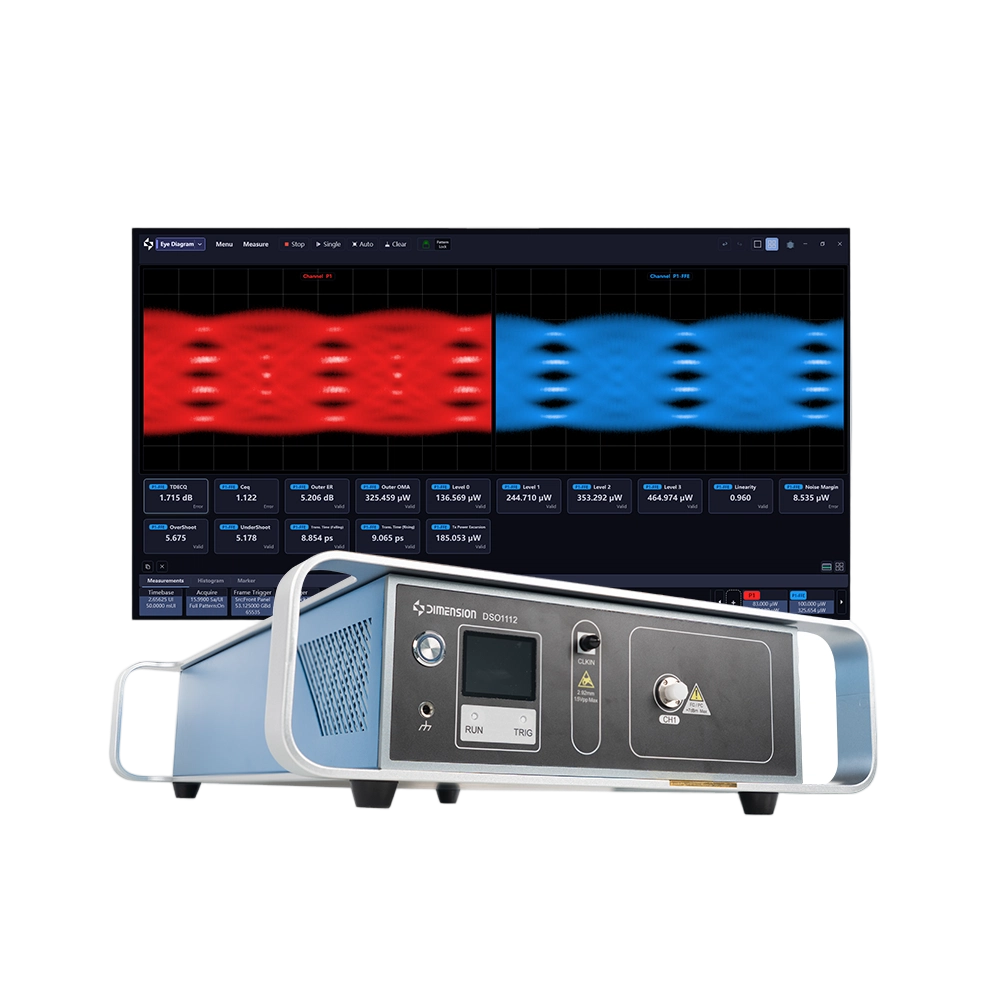
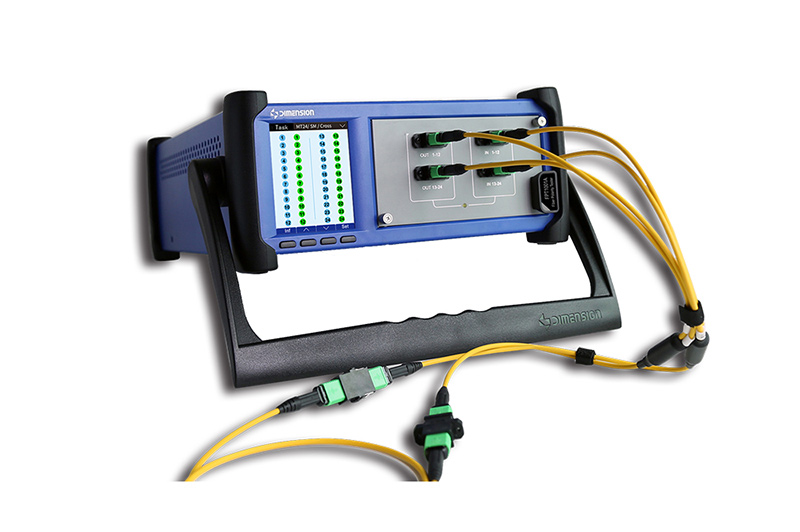
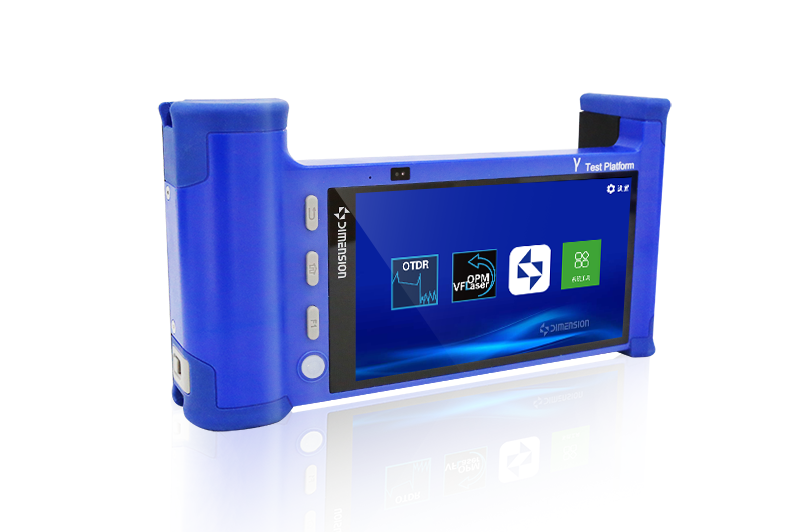
 Reveal the true parameters of optical performance. ReveLuX, a sub-brand of Dimension Technology, specializes in optical performance measurement and analysis. Its product portfolio includes insertion loss and return loss testers, optical time-domain reflectometers (OTDRs), optical power meters, and other test instruments.
Recommended
FA MAX 3 Polarity and IRL Meter
NEW2026.10
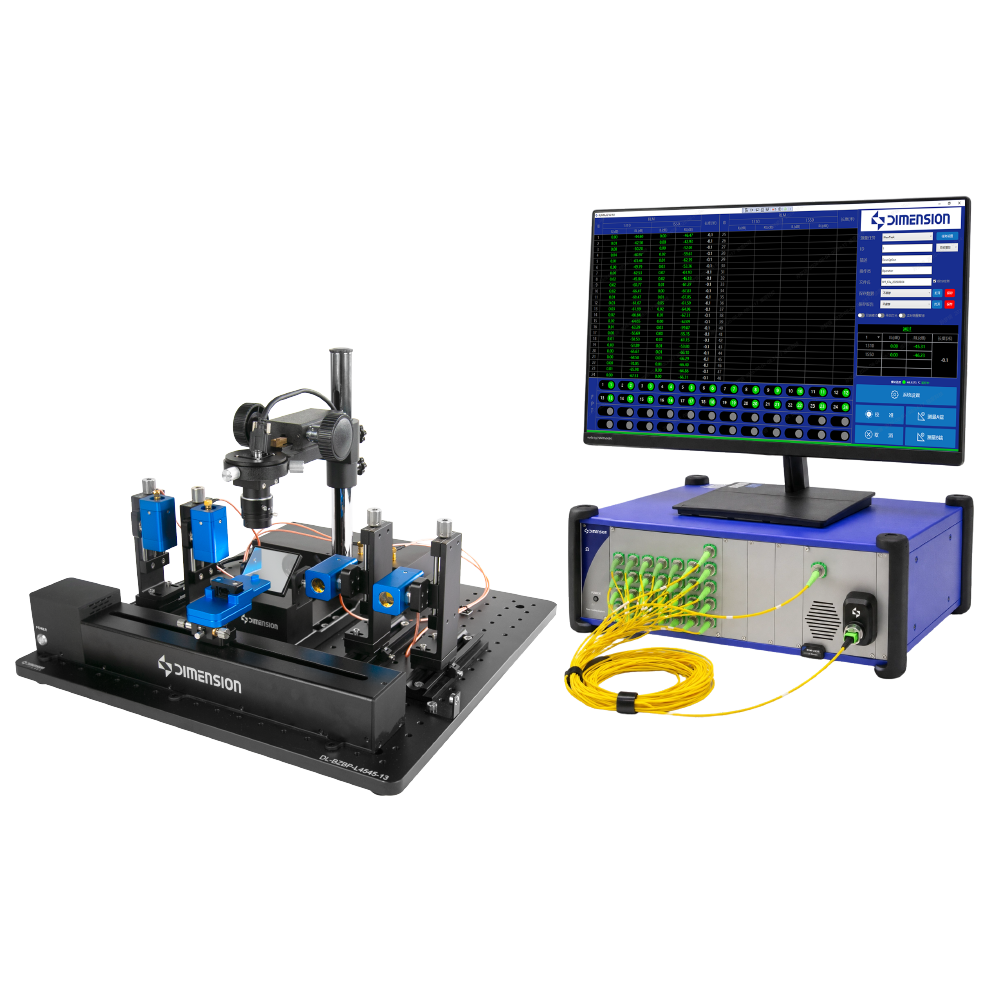
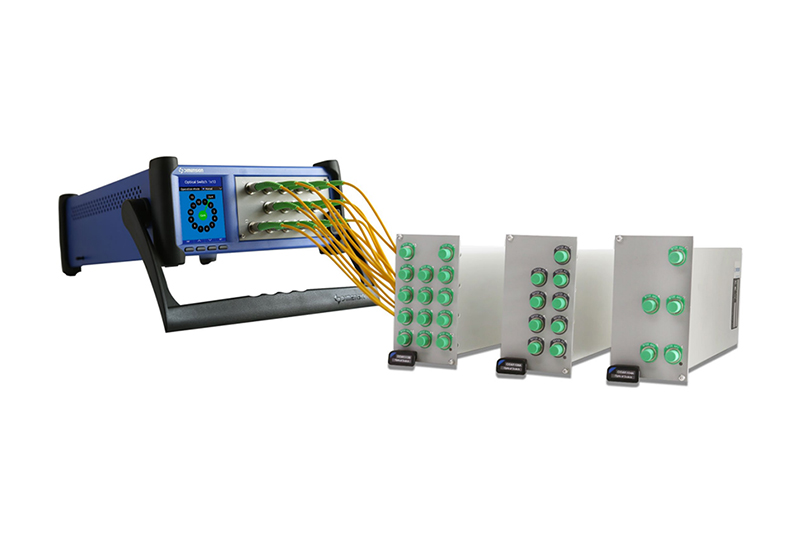
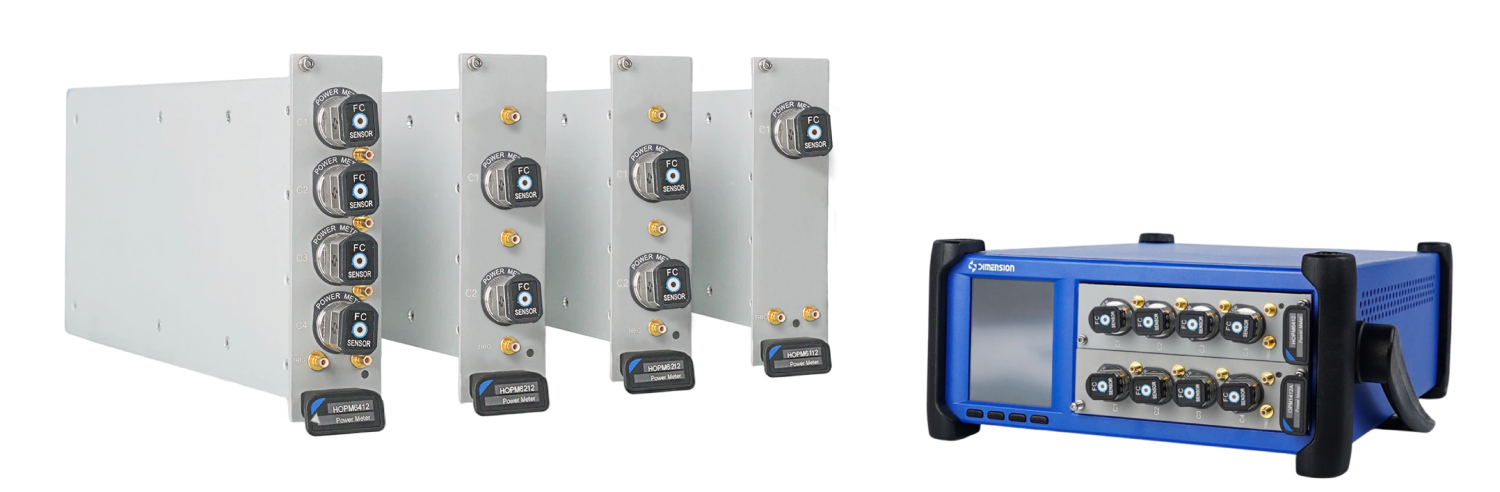
 Specializing in automated testing, inspection, and screening, VeriAuto is Dimension Technology's sub-brand dedicated to intelligent automated test equipment. Its product portfolio includes automated fiber end-face inspection, cleaning, and optical coupling equipment.
Automated Fiber End-Face Cleaning and Inspection Systems
Automated Cleaning and Inspection Equipment for CPO Optical Source Modules(New)
Automated Cleaning and Inspection Equipment for NPO/XPO Optical Modules(New)
Automated Cleaning and Inspection Equipment for 1.6T MPO Optical Transceivers(New)
Fully Automated Cleaning and Inspection System for 1.6T/800G Optical Transceivers
800G LC Intelligent End-Face Cleaning and Inspection System
Automated Optical Coupling Systems
Fully Automated High-Precision Microlens Array Coupling for CPO and High-Speed Optical Transceivers(New)
High-speed optical module and all-in-one automatic high-precision coupling equipment for silicon photonics FA
Fully Automated High-Precision Lens Module Coupling Equipment for High-Speed Optical Transceivers
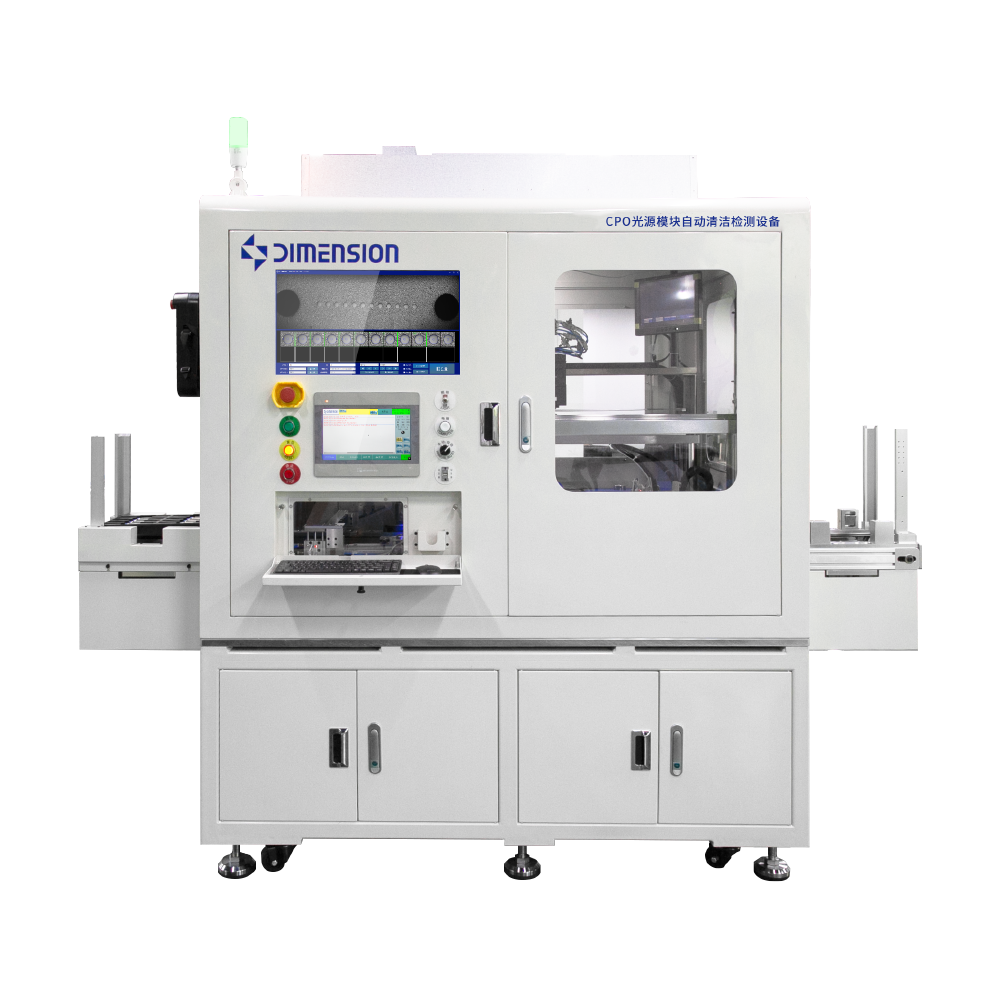
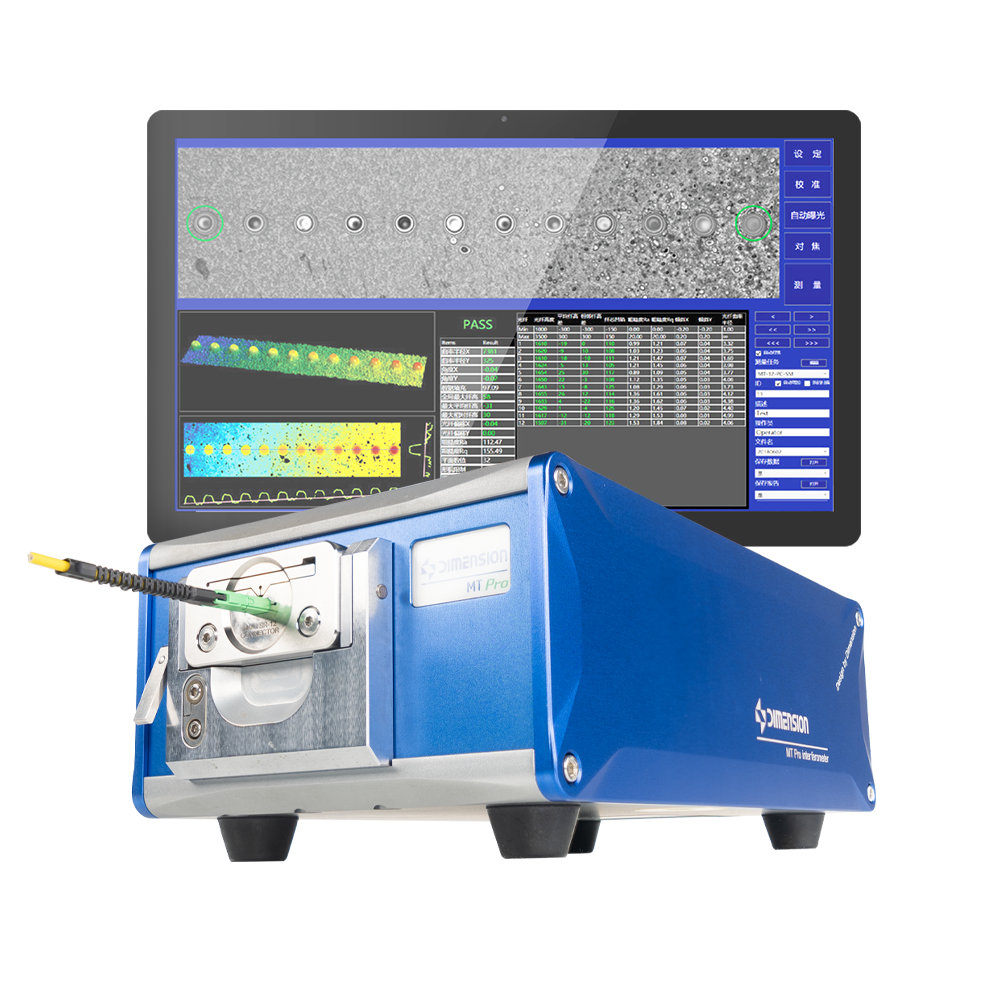
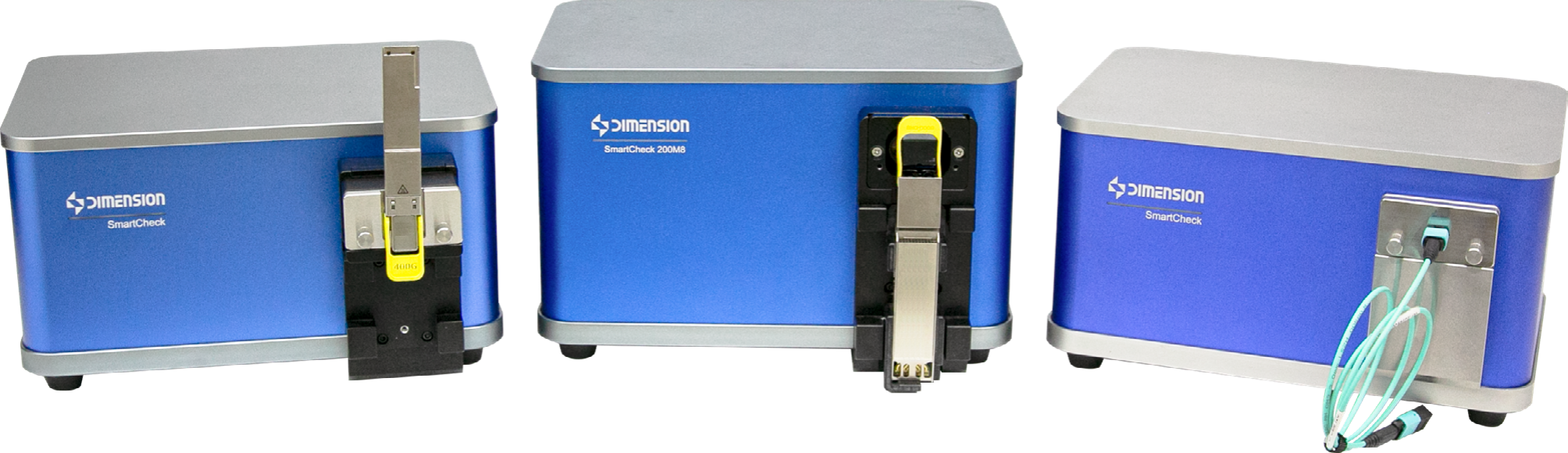
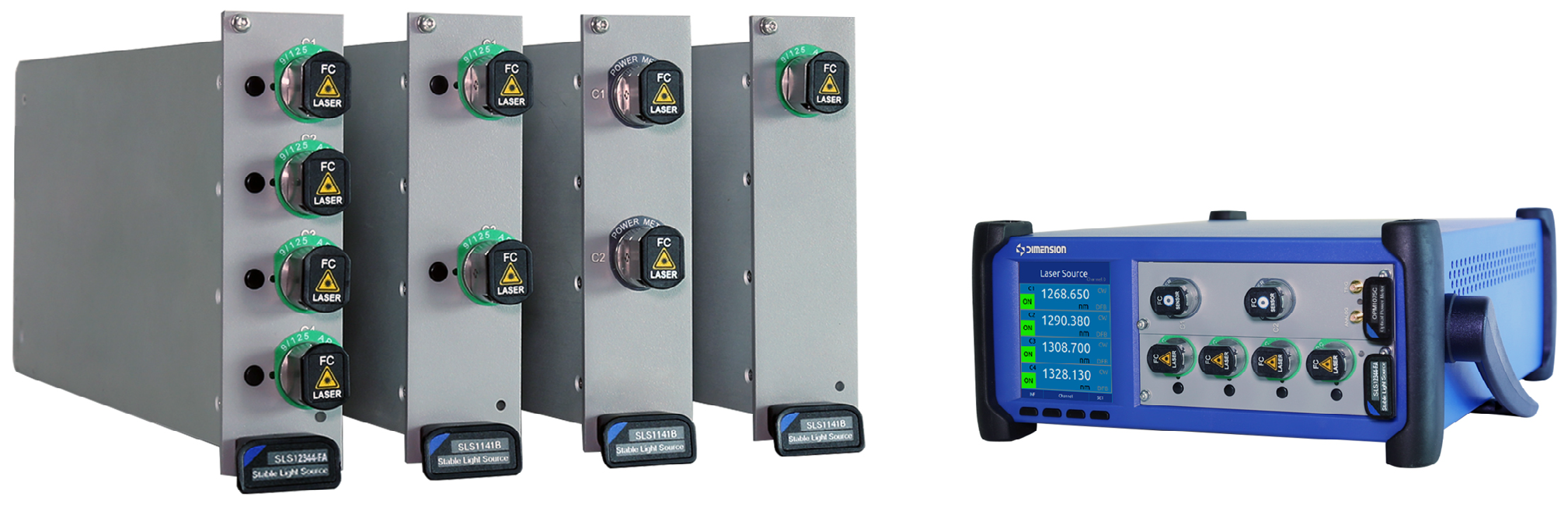
 Precisely presenting the physical characteristics of fiber end faces. EndFace is Dimension Technology's sub-brand specializing in the inspection and analysis of fiber end-face physical characteristics. Its product portfolio includes fiber end-face inspection instruments, interferometers, and fiber core pitch measurement instruments.
Intelligent Fiber End-Face Inspection Systems
SmartCheck FV Full-Field Fiber End-Face Inspector(New)
Fast Check MT Fully Fiber Endface Inspector
SmartCheck Intelligent Fiber Endface Inspector
FastCheck Pro Fully Automatic Fiber Endface Inspector
EasyCheck V2 Integrated Fiber Endface Inspector
EasyCheck V3 Integrated Fiber Endface Inspector
EasyCheck Dual Magnification Fiber Endface Inspector
FA-1 Fiber Array End-Face Inspector
Recommended
MT SCOPE Fiber Endface Inspector
NEW2026.9
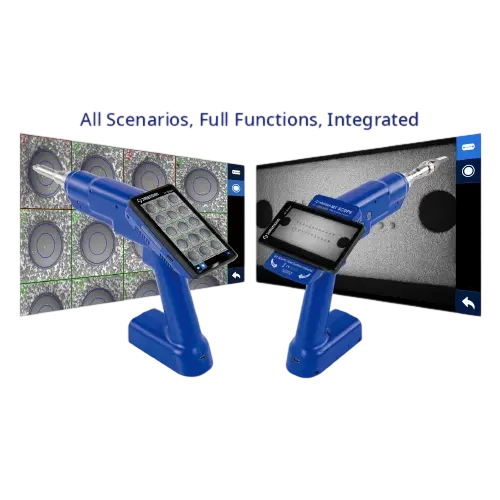
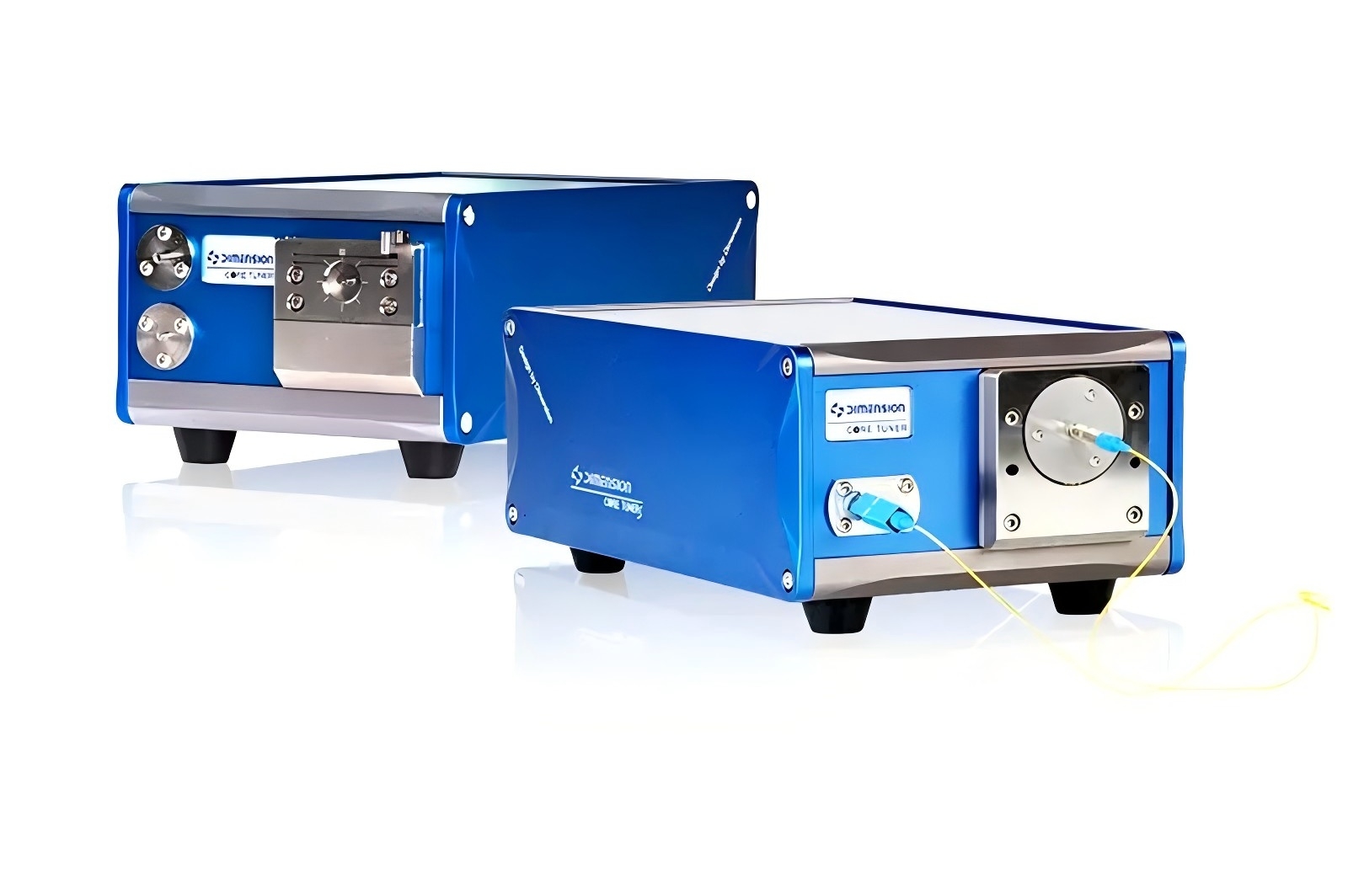
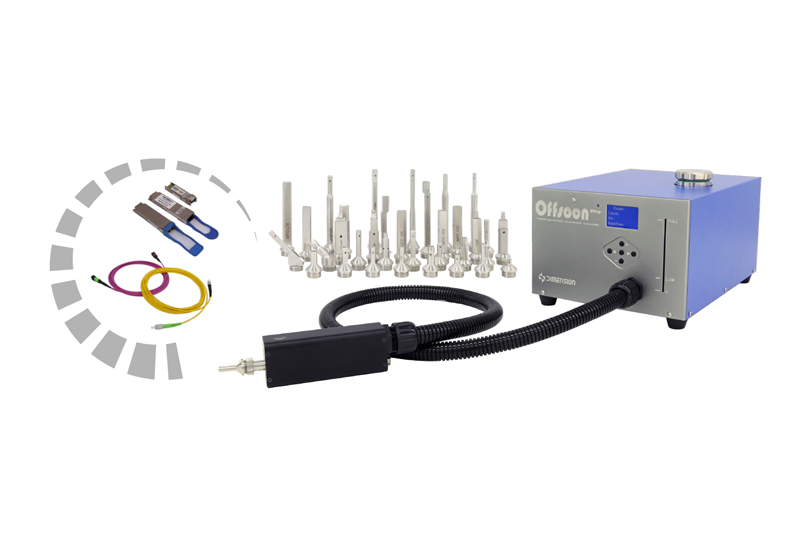
 Fast and effective cleaning of microscopic optical end faces. OffSoon is Dimension Technology's sub-brand specializing in cleaning fiber end faces and precision micro-optical components. Its product portfolio includes single-fiber and multi-fiber end-face cleaning machines, cleaning pens, and other cleaning products.
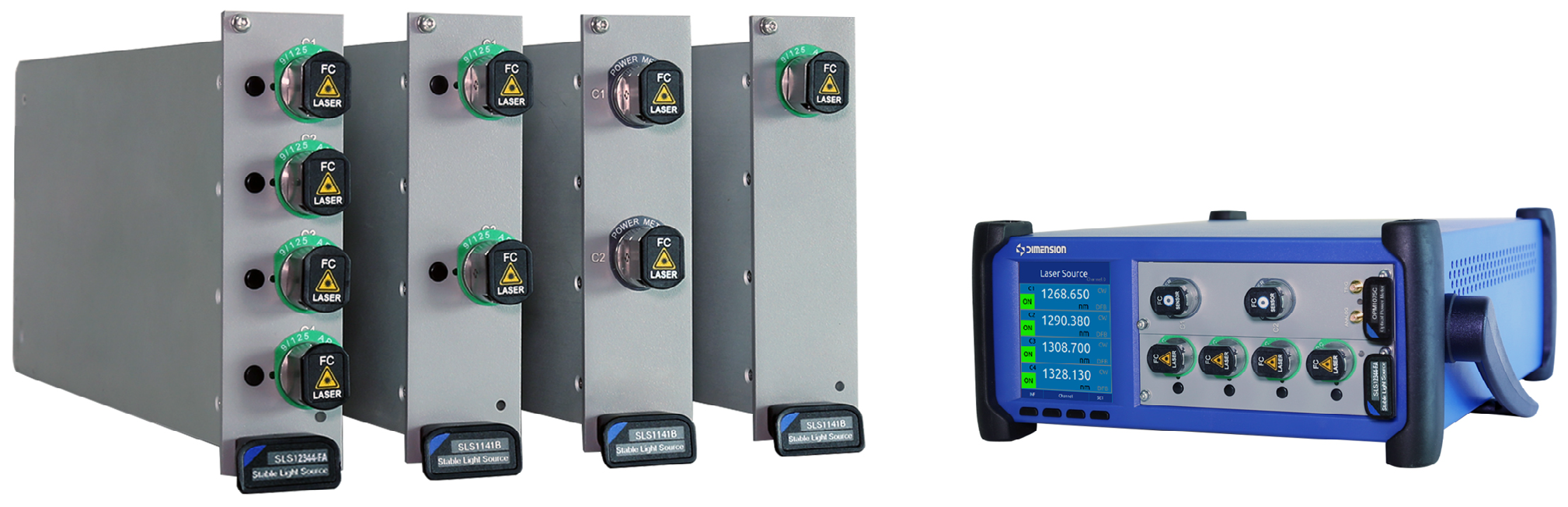
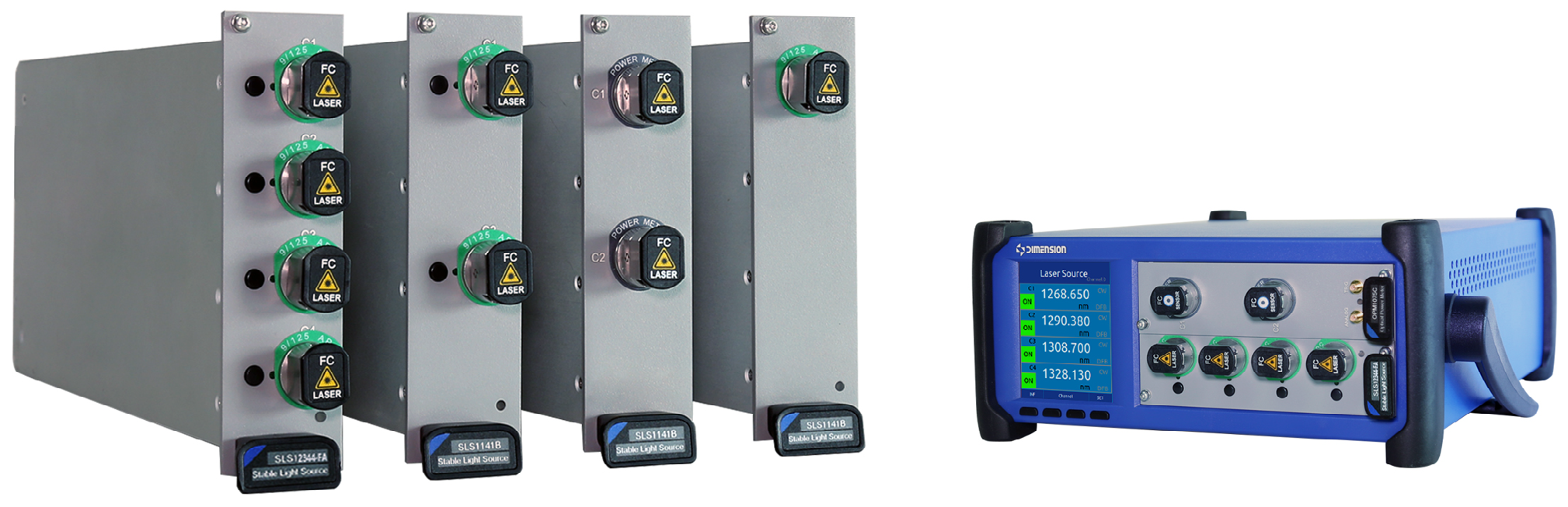
SLED Stabilized Light Source
Easy Scalability, Compatible with ALPHA and OMEGA General Optical Test Platforms
1, 2 and 4 optical output channels are optional, and each channel can be controlled independently
Wavelength and power are customizable
Supports multiple control methods including USB, network and button control
Modular design with patented custom interfaces
High precision and high reliability
SC/FC flexible switching and detachable connectors
Product Details
Product Overview
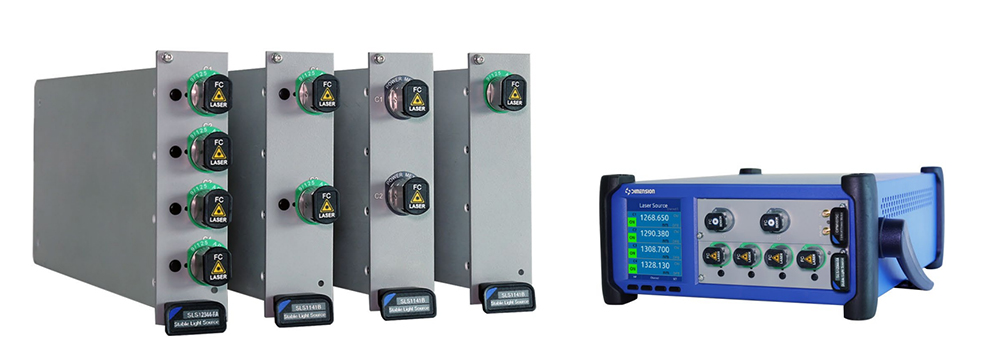
Light sources are essential for optical component manufacturing tests, research experiments, fiber sensing and other fields. To meet customers' diverse cross-sector requirements, Dimension-Labs has developed the SLS series stabilized light sources. All functional modules share a unified design architecture, supporting easy expansion and compatibility with ALPHA and OMEGA general optical test platforms.
Stabilized light sources fall into four categories: DFB laser source, FP laser source, SLED source and ultra-narrow linewidth light source.
• 1, 2 and 4 optical output channels optional, each channel can be independently controlled. Wavelength and power can be customized according to customer requirements, making it an ideal choice for optical communication testing.
• Supports multiple control modes including USB, network and button control.
• It adopts a modular design with patented custom interfaces, featuring high precision and reliability. SC/FC connectors are flexibly switchable and detachable for convenient later maintenance.
DFB Laser Source
Key Advantages
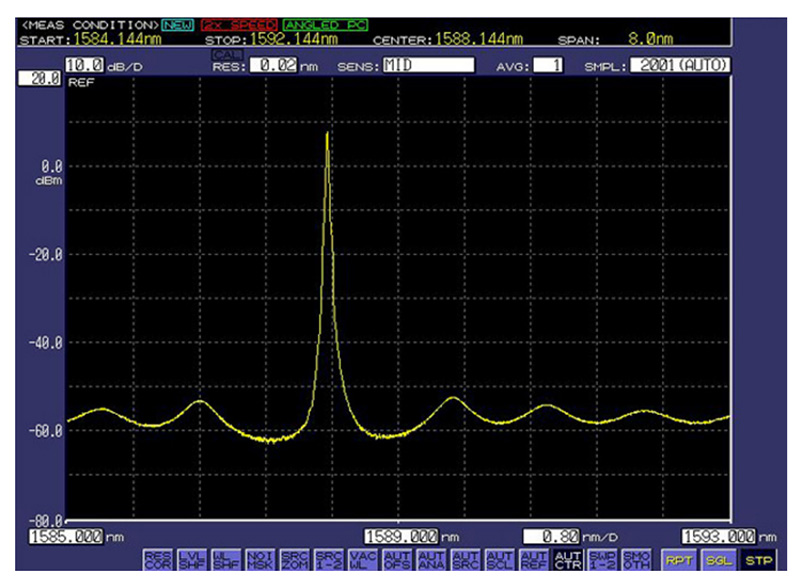
High power stability: Power stability is better than ±0.005 dB over 24 hours.
High-precision TEC temperature control module.
Output power up to 20 mW.
Supports internal modulation.
Typical Applications
CWDM channel testing
Optical monitoring channel
Optical loss testing (IL/RL)
Passive and active optical component testing
Instrument performance testing
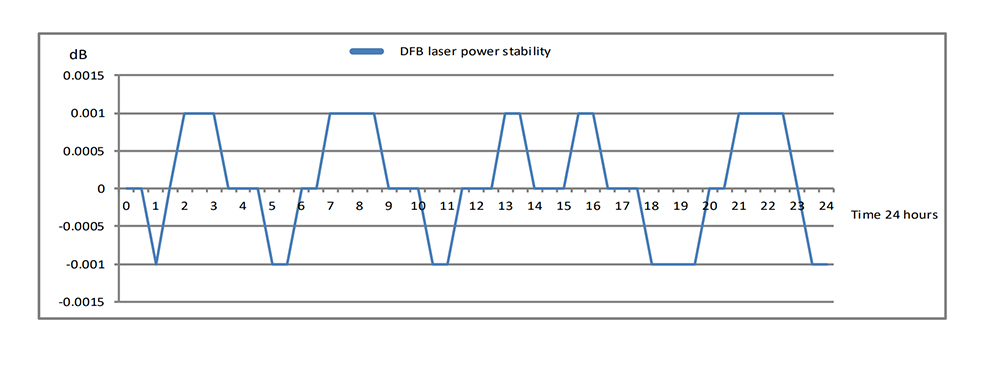
| Table 1-1 Performance Specifications of DFB Stabilized Light Source[1][2][3][4] | |||
| Model | DFB Stabilized Light Source | ||
| Number of Channels | 1, 2, or 4 optional | ||
| Fiber Type | SM 9/125;Panda PMF | ||
| Wavelength | 1270、1290、1310、1330、1350、1370、1390、1410、1430、1450、 1470、1490、1510、1530、1550、1570、1590、1625、1650,etc. | ||
| Wavelength Accuracy | ±5nm | ||
| Output Connector | Patented high-precision, high-reliability custom interfaces with flexible SC/FC switching. | ||
| Power Stability | Type A | Type C | |
| Output Power Stability (15 min) | 850~1270nm:±0.051270~1650nm:±0.005 | 850~1270nm:±0.11270~1650nm:±0.05 | |
| Output Power Stability (24 h) | 850~1270nm:±0.21270~1650nm±0.02 | 850~1270nm:±0.41270~1650nm±0.2 | |
| Output Power | 1 mW, 10 mW, 20 mW optional | ||
| Side-Mode Suppression Ratio | >40dB | ||
| Polarization Extinction Ratio | >17dB | ||
| Modulation | Internal Modulation HZ(270、1K、2K) | ||
| Warm-up Time | 20 minutes (Warm-up time is 60 minutes if storage temperature differs from operating temperature.) | ||
| Recalibration Period | 2 years | ||
| Operating Temperature | 10℃~40℃ | ||
| Storage Temperature | -40℃~70℃ | ||
| Dimensions | Chassis:359mmX274mmX115mm;Module:285mmX133mmX36mm | ||
| Input | AC 90~260V 50Hz | ||
SLED Series Broadband Light Source
Key Advantages
Wide spectral range (3 dB spectral width of 90 nm)[5]
High output power (10 mW)[5]
Excellent power stability
Typical Applications
CWDM channel testing
Passive optical network (PON) component manufacturing and testing
Fiber sensing and spectral analysis
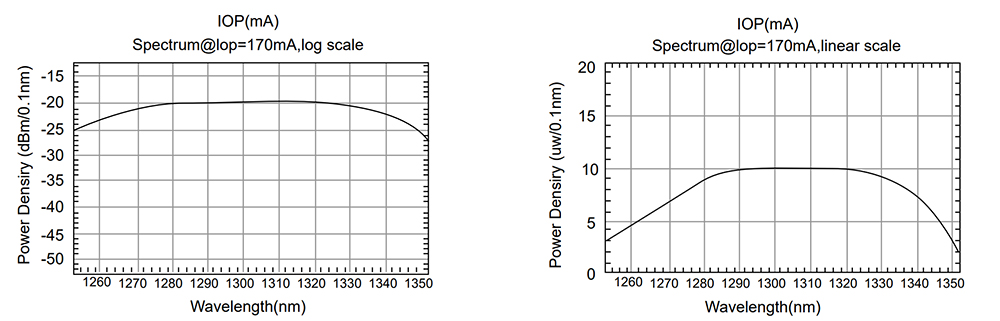
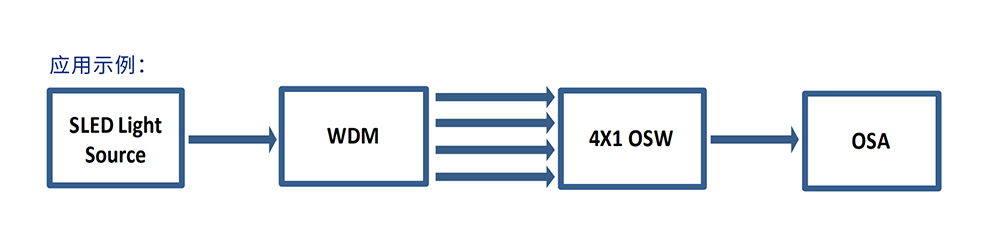
| Table 1-2 Performance Specifications of SLED Broadband Light Source [1][2][3][4] | |
| Model | SLED Broadband Light Source |
| Wavelength | 750、840、880、1020、1050、1280、1310、 1410、1490、1550、1610、1640 Optional |
| Spectral Width -3 dB (Typ.) [5] | 40-90nm |
| Output Power (Typ.) [5] | 5-10mW |
| Power Stability(dB) [5] | ±0.05dB/8H(Typical) |
| Operating Mode | CW |
| Fiber Type | SM 9/125 |
| Output Connector | Patented high-precision, high-reliability custom interfaces with flexible SC/FC switching. |
| Warm-up Time | 20 minutes (Warm-up time is 60 minutes if storage temperature differs from operating temperature.) |
| Recalibration Period | 2 years |
| Operating Temperature | 10℃~40℃ |
| Storage Temperature | 40°℃~70℃ |
| Dimensions | Chassis:359mmX274mmX115mm;Module:285mmX133mmX36mm |
| Input | AC 90~260V 50Hz |
| Spectral Power Density | ≥-20dBm |
FP Laser Light Source
Key Advantages
Output power > 5 mW
Supports internal modulation
Typical Applications
Fiber optic product testing and verification
Cost-effective optical component manufacturing and testing solutions
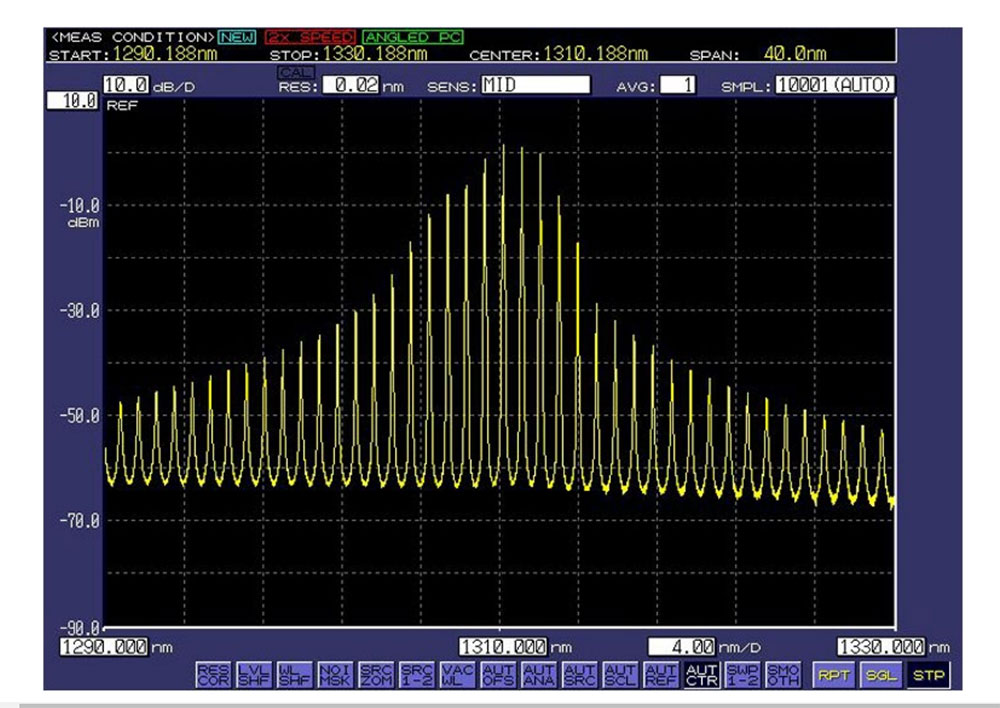
| Table 1-3 Performance Specifications of FP Stabilized Light Source[1][2][3][4] | |||
| Model | FP Stabilized Light Source | ||
| Channel Count | 1、2、4 Optional | ||
| Fiber Type | 9/125;50/125;62.5/125 Optional | ||
| Wavelength(TEC) | 850、980、1060、1310、1550 | ||
| Wavelength | 850、1310、1550 | ||
| Wavelength Accuracy | ±20nm | ||
| Output Connector | Patented high-precision, high-reliability custom interface with flexible SC/FC switching. | ||
| Power Stability | TypeA | TypeC | |
| Output Power Stability (15 min) | 850~1270nm:±0.051270~1650nm:±0.005 | 850~1270nm:±0.11270~1650nm:±0.05 | |
| Output Power Stability (24 h) | 850~1270nm:±0.21270~1650nm:±0.02 | 850~1270nm:±0.41270~1650nm:±0.2 | |
| Output Power | >5mW | ||
| Modulation | Internal Modulation HZ(270、1K、2K) | ||
| Warm-up Time | 20 minutes (Warm-up time is 60 minutes if storage temperature differs from operating temperature.) | ||
| Recalibration Period | 2 years | ||
| Operating Temperature | 10℃~40℃ | ||
| Storage Temperature | -40℃~70℃ | ||
| Dimensions | Chassis:359mmX274mmX115mm;Module:285mmX133mmX36mm | ||
| Input | AC 90~260V 50Hz | ||
Ultra-Narrow Linewidth Light Source
Key Advantages
Ultra-narrow spectral linewidth
High output power
High reliability and stability
Typical Applications
Fiber Bragg grating sensing
Coherent optical fiber communication
Nonlinear optics research
Leakage detection and monitoring, etc.
Ordering Information
Notes:
[1] All specifications are valid at 23 °C ± 1 °C.
[2] The center wavelength displayed on the screen is the default value.
[3] Ambient temperature variation shall be controlled within ±1 °C.
[4] Warm-up time is 20 minutes if the unit has been stored at the same temperature previously.
[5] Test wavelengths: 1310/1550 nm. The spectral width and output power of the SLED source are wavelength-dependent.
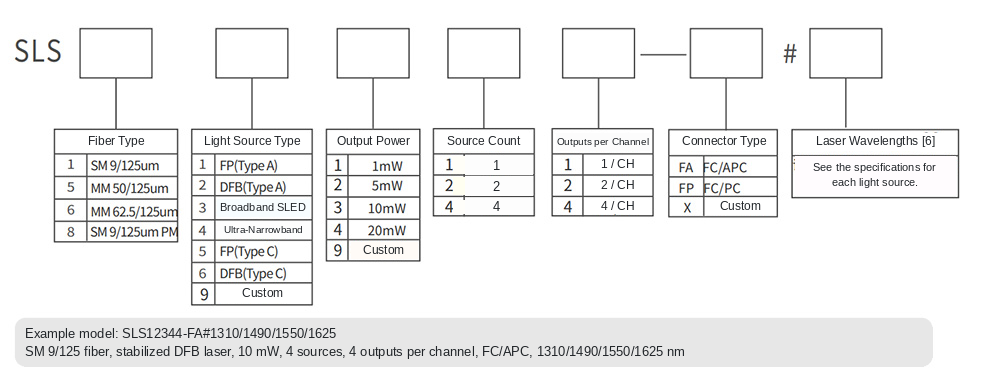
[6] Wavelength combinations can be customized. The number of output channels generally corresponds to the number of wavelengths. For a 4-channel unit as an example:
- 4 × 1310 nm: wavelength list = 1310*4
- 2 × 1310 nm + 2 × 1550 nm: wavelength list = 13102/15502
4 distinct wavelengths (1270/1290/1310/1330): wavelength list = 1270/1290/1310/1330, corresponding to Channel 1/2/3/4 respectively.
[7] Type C light sources only support 1 mW and 5 mW output power.
[8] The 3dB bandwidth of the SLED source varies slightly with power, ranging from 50 nm to 90 nm.

More related products